• Classic Chevrolet Trucks

Classic Chevrolet Trucks

  • The Classic Elegance of Chevrolet Pickups: Reviving the Spirit of the 1970s Square Body Design

    August 3rd, 2023

    By Greg McKinney Mineola Texas

    In the 1970s, amidst the vibrant atmosphere of the disco era, Chevrolet introduced a revolutionary design for their pickup trucks, known as the “square body” design. Spanning from 1973 to 1979, this era marked a significant transformation in the style, motor options, and transmission choices of Chevrolet pickups. Decades later, the square body design has experienced a remarkable resurgence in popularity, capturing the hearts of automotive enthusiasts and collectors alike.

    The Square Body Revolution: The early 1970s brought a shift in automobile design, as Chevrolet broke away from the curvaceous shapes of the past and embraced a more angular and boxy aesthetic. Introduced in 1973, the square body design featured a chiseled front fascia, straight lines, and squared-off corners, setting it apart from its predecessors. This new styling approach gave Chevrolet pickups a bold and purposeful presence on the road, making them instantly recognizable.

    Styling and Design Changes: The square body design marked a clear departure from the rounded curves of the previous generation. The front grille was enlarged and featured a prominent horizontal bar with Chevrolet’s iconic bow-tie emblem, flanked by dual stacked headlights. The fenders were squared off, and the hood and cab roof were straighter, contributing to the truck’s boxy appearance. At the rear, the rectangular taillights mirrored the front’s dual headlight design, creating a cohesive look.

    As the square body design evolved through the years, Chevrolet introduced various trim levels and special editions. The Silverado, Cheyenne, and Scottsdale were among the popular trims, each offering unique features and styling cues. These options allowed buyers to customize their pickups to match their preferences and needs.

    Motor and Transmission Options: During the 1970s, Chevrolet offered an array of engine choices to power their pickups. From fuel-efficient six-cylinder engines to robust V8 powerplants, customers could select an engine that suited their driving requirements. Some of the popular engine options included the 250ci inline-six, the 305ci V8, and the 350ci V8, all of which provided a blend of reliability and performance.

    In terms of transmissions, Chevrolet offered both manual and automatic options. The three-speed manual transmission was the standard choice, providing a straightforward and rugged driving experience. However, for those seeking more convenience, a three-speed Turbo Hydra-Matic automatic transmission was available as an upgrade, offering smooth shifts and ease of operation.

    Resurgence in Popularity: As the years passed, the square body pickups garnered a devoted following, becoming a symbol of nostalgia and Americana. Their simple yet robust design, combined with the availability of various body styles (regular cab, extended cab, and crew cab) and bed lengths, made them versatile workhorses. As a result, many square body pickups from the 1970s have been lovingly preserved and restored by collectors and enthusiasts.

    One of the key factors contributing to the resurgence in popularity was the strong aftermarket support for square body pickups. Specialty shops and manufacturers began producing reproduction parts, allowing owners to restore their trucks to showroom condition. Additionally, the customization scene embraced these classic Chevrolets, with many enthusiasts modifying and upgrading them to suit contemporary tastes while retaining their vintage charm.

    Furthermore, the square body design’s reputation for durability and reliability played a significant role in its resurgence. Many owners who acquired these pickups in their heyday have fond memories of their dependability and have passed down their love for these classics to the next generation.

    Conclusion: The square body design of Chevrolet pickups from 1973 through 1979 marked a defining era in automotive history. Embracing a boxy and angular style, these pickups stood out with their unique aesthetics and robust build quality. The availability of various motor and transmission options made them appealing to a broad range of customers.

    Decades later, the square body design has experienced a well-deserved resurgence in popularity. Preserved, restored, and cherished by collectors and enthusiasts, these classic pickups continue to evoke a sense of nostalgia and appreciation for a bygone era. The enduring charm of the square body design ensures that these Chevrolet pickups will forever hold a special place in automotive history and the hearts of truck aficionados worldwide.

  • The Enduring Appeal of Chevrolet Pickups: A Nostalgic Look at the 1970s Models

    July 2nd, 2023

    By Greg McKinney Mineola Texas


    The 1970s marked an iconic era for Chevrolet pickups, with distinctive design changes and advancements in engine technology. These trucks not only revolutionized the automotive industry but also left an indelible mark on American culture. Even today, several decades later, the Chevrolet pickups from the early 1970s continue to captivate enthusiasts and hold a special place in their hearts. In this blog post, we will explore the design transformations, enduring popularity, and notable engine and transmission options that made these trucks true classics.

    The 1970s witnessed a significant shift in the design philosophy of Chevrolet pickups. Starting from the earlier boxy and utilitarian appearance, the ’70s models embraced more rounded contours and streamlined profiles. The square body design of the C/K series, introduced in 1973, became an instant hit. The crisp lines, bold grilles, and stacked headlights gave these trucks a powerful and distinctive look. The improved aerodynamics not only enhanced their visual appeal but also contributed to fuel efficiency—a crucial concern during the era’s fuel crisis.

    The Chevrolet pickups of the 1970s also offered a range of bed lengths, cab styles, and trim packages to suit various needs and preferences. From the no-nonsense Work Truck to the upscale Custom Deluxe, these models provided versatility and customization options for both work and leisure purposes. The attention to detail and craftsmanship ensured that these trucks were not just utility vehicles but also symbols of personal expression and style.

    Despite the passage of time, the Chevrolet pickups of the 1970s have stood the test of time and maintained their popularity. What makes these trucks so enduring? One reason is their timeless design, which continues to resonate with truck enthusiasts and collectors alike. The distinctive square body style has become an icon of the era, evoking a sense of nostalgia and Americana. Classic truck aficionados are drawn to the unique combination of ruggedness, simplicity, and charm that these models embody.

    Moreover, the reliability and durability of these pickups have contributed to their longevity. Built with sturdy frames and robust drivetrains, they were known for their ability to withstand heavy workloads and challenging terrains. This reputation for toughness and dependability has earned them a loyal following, with many still in use today, often passed down through generations.

    Under the hood, the Chevrolet pickups of the 1970s offered an array of powerful engines and advanced transmission options. One of the notable powerplants was the small-block V8 engine, which came in various displacements, including the renowned 350 cubic inch (5.7-liter) variant. This engine provided ample horsepower and torque, delivering exceptional performance for both work and play. The availability of big-block V8 engines, such as the 454 cubic inch (7.4-liter) powerhouse, catered to those seeking maximum power.

    As for transmissions, the three-speed Turbo Hydra-Matic automatic transmission gained popularity during this era. Known for its smooth shifts and reliability, it provided effortless driving experiences. Additionally, manual transmissions, including three-speed and four-speed options, allowed drivers to have greater control and engagement.

    The Chevrolet pickups of the 1970s were more than just vehicles; they represented an era of style, utility, and ruggedness. Their iconic design changes, from the boxy models to the square body style, continue to inspire and captivate enthusiasts today. The combination of enduring popularity, reliable engines, and versatile transmissions has solidified their status as beloved classics. Whether it’s the nostalgia they evoke or the appreciation for their timeless appeal

  • Chevrolet Pickups of The 1960s

    May 1st, 2023

    By Greg McKinney Mineola Texas


    The 1960s were a decade of great change in the automotive industry, and Chevrolet pickup trucks were no exception. During this time, Chevrolet made significant improvements to the design, engines, transmissions, and features of their pickup trucks. In this blog post, we’ll take a closer look at the Chevrolet pickup trucks of the 1960s, with a particular focus on the major design change that occurred in 1967.

    Body Design

    The body design of the Chevrolet pickup trucks of the early 1960s was boxy and utilitarian. The front grille was large and imposing, and the body had a muscular and rugged appearance. However, as the decade progressed, Chevrolet began to make changes to the body design to make their trucks more stylish and visually appealing.

    In 1960, Chevrolet introduced the Fleetside bed, which had a smooth and flat surface, making it easier to load and unload cargo. This design was a significant departure from the traditional step-side bed design, which had been popular in pickup trucks for decades. The Fleetside bed had a sleek and modern look, and it quickly became a popular option for Chevrolet pickup truck buyers.

    In 1967, Chevrolet introduced a major design change that would define the look of their pickup trucks for years to come. This new design was known as the “Action Line” or the “Glamour Pickups.” The new design featured a rounded cab and sloping hood, giving the truck a sleek and aerodynamic look. The front grille was smaller and more subtle, and the headlights were positioned vertically, giving the truck a more modern appearance.

    The new design was an instant hit with truck buyers, and it quickly became one of the most popular pickup truck designs of all time. The 1967-1972 Chevrolet pickup trucks are still highly sought after today by collectors and enthusiasts.

    Engine and Transmission

    The engines and transmissions in Chevrolet pickup trucks of the 1960s were powerful and reliable, but they also evolved throughout the decade. In the early 1960s, the most popular engine option was the small-block V8, which ranged in size from 283 to 400 cubic inches. This engine was known for its durability and versatility and was used in a wide range of Chevrolet vehicles throughout the 1960s.

    In the mid-1960s, Chevrolet introduced a new engine option for their pickup trucks. This new engine was the big-block V8, which ranged in size from 396 to 454 cubic inches. This engine was even more powerful than the small-block V8, and it quickly became a popular option for truck buyers who needed more towing and hauling capacity.

    In terms of transmissions, the three-speed manual was the most common option, but four-speed manuals and automatic transmissions were also available. The transmissions were rugged and reliable, and they were well-suited to the utilitarian nature of the trucks.

    Features

    The Chevrolet pickup trucks of the 1960s were packed with innovative and useful features that set them apart from the competition. One of the most notable features was the Fleetside bed, which was introduced in 1960. This bed had a smooth and flat surface, making it easier to load and unload cargo. It also had a sleek and modern look that was ahead of its time.

    Other notable features of Chevrolet pickup trucks of the 1960s included power steering, power brakes, and air conditioning, which were all available as optional extras. These features helped to make the trucks more comfortable and convenient for everyday use, and they were popular with truck buyers who wanted a more luxurious driving experience.

    The 1967-1972 Chevrolet pickup trucks were particularly noteworthy for their innovative interior features. These trucks featured a newly designed dashboard and instrument cluster, which made it easier for drivers to monitor their vehicle.

    In conclusion, the Chevrolet pickup trucks of the 1960s were a product of their time, reflecting the changing tastes and needs of American consumers. The 1967-1972 design, in particular, was a game-changer, setting the standard for pickup truck design for decades to come. The improvements made to the body design, engines, transmissions, and features of these trucks helped to make them more versatile, comfortable, and stylish, appealing to a wider range of consumers. Today, these trucks remain highly sought after by collectors and enthusiasts, a testament to their enduring popularity and influence on the automotive industry. Whether you’re a truck enthusiast or just appreciate the design and innovation of classic vehicles, the Chevrolet pickup trucks of the 1960s are definitely worth exploring.

  • Chevrolet Pickups of The 1950s

    April 5th, 2023

    By Greg McKinney Mineola Texas

    The Chevrolet pickup trucks of the 1950s were a defining era for the American automotive industry. These trucks embodied the spirit of post-World War II America, with their rugged good looks and practical design. From farmers to small business owners, these trucks were a symbol of hard work and success. In this blog post, we’ll take a closer look at some of the most popular Chevrolet pickups from the 1950s and what made them so iconic.

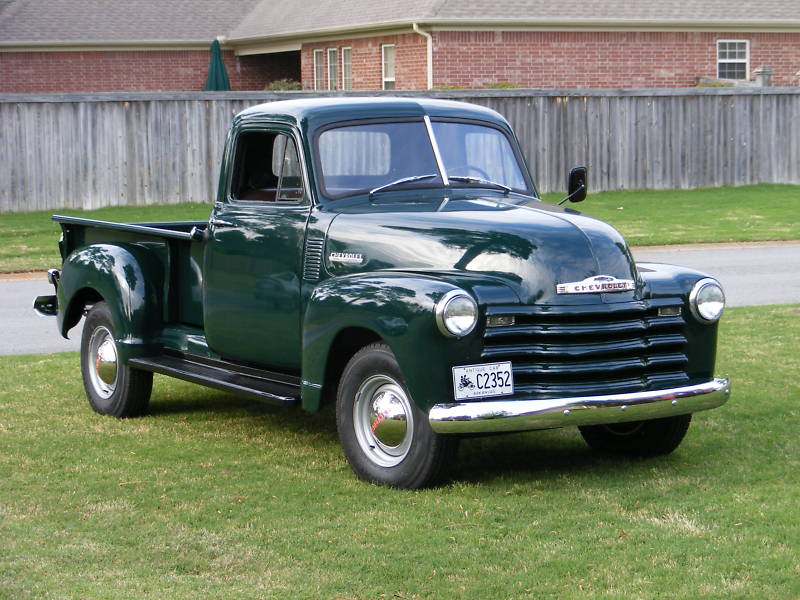
    One of the most popular pickups from this era was the Chevrolet 3100, which was produced from 1947 to 1955. This truck was affectionately known as the “Advance Design” series and was the first major redesign of Chevrolet’s pickup trucks since before the war. It had a sleeker and more modern look than its predecessors and was available with a range of engines, from a 3.5-liter inline-six to a 4.3-liter V8. This made it an ideal truck for farmers and small business owners who needed a reliable workhorse.

    Another iconic truck from the 1950s was the Chevrolet Cameo Carrier, which was introduced in 1955. This truck was a departure from the typical utilitarian design of pickup trucks and had a more stylish and sophisticated appearance. It featured a fiberglass bed and came standard with whitewall tires and two-tone paint. The Cameo Carrier was available with a 235-cubic inch inline-six engine or a 265-cubic inch V8, making it a versatile truck for both work and play.

    The Chevrolet Apache was another popular pickup truck from the 1950s. It was produced from 1955 to 1959 and was available with a range of engines, including a 3.8-liter inline-six and a 4.3-liter V8. The Apache had a sleeker and more aerodynamic design than previous Chevrolet pickups and was available with a wide range of options, including air conditioning, power steering, and power brakes. This made it a popular choice for those who wanted a more comfortable and convenient work truck.

    One of the reasons why these Chevrolet pickups were so iconic was their durability and reliability. They were built to last and could withstand the rigors of heavy use. They were also easy to maintain and repair, which made them a popular choice among farmers and small business owners who didn’t have a lot of money to spend on upkeep.

    In addition to their practicality, these trucks also had a certain style and charm that set them apart from other vehicles on the road. They had a rugged and masculine appearance that appealed to both men and women, and they were often used as status symbols by those who could afford them.

    Overall, the Chevrolet pickup trucks of the 1950s were a defining era for the American automotive industry. They embodied the spirit of post-war America and were a symbol of hard work and success. These trucks were built to last and had a certain style and charm that made them truly iconic. Whether you were a farmer, small business owner, or just someone who appreciated a reliable and stylish truck, the Chevrolet pickups of the 1950s were the perfect choice.

  • Chevrolet Trucks of The 1940s

    February 4th, 2023

    By: Greg McKinney Mineola TX

    The Chevrolet trucks we see today have a history that is worth knowing because how they evolved with time and became what they are today is a really moving anecdote. The 1940’s was essentially an important decade for the whole of mankind because it saw both the war and post-war worlds, but how it affected and changed the automotive segment is reflected in the Chevrolet Pickups of the 1940’s. The country was emerging from the Great Depression at the time, and the demand for small vehicles was rising. Somehow, all this makes the Chevrolet trucks of this decade more interesting.

    Mise-en-scène

    The 1940s saw Chevrolet remain on its path of building dedicated pickup trucks that were not based on its passengers’ cars. The Chevrolet Master Truck series ushered Chevrolet into this new territory of pickup trucks, and in 1941 its successor, the AK Series, was introduced. It saw production until 1947, after which it was replaced with the Advance-Design series, which was produced from 1947 to 1955 and was truly an advance design.

    Now that we have a bit of background on that decade, let’s dive into what makes these trucks special and worthy.

    Peculiarities

    Moving to an independent platform for its pickup trucks gave Chevrolet more freedom to optimize its trucks for usability as well as adaptability. They featured a sturdy and well-built frame and body, which made them suitable for heavy-duty work and towing.

    These trucks also introduced a new design with an improved cab and cargo box, and were available in a variety of body styles and configurations. The cab was also larger and more comfortable than the previous models. Some Chevy truck fans believe that the 1940 model had the best cab design.

    Heart of an Inline-Six

    The Chevrolet “Stovebolt” engine, a term commonly used to refer to Chevrolet’s inline-six engines produced between 1929 and 1954, powered these trucks. These engines were known for their durability, reliability, fuel efficiency, and low-end torque, and were used in a wide range of Chevrolet vehicles, including trucks, cars, and even marine and industrial applications.

    The Stovebolt engines used in these trucks were 216 cu in in displacement and 288 cu in for the GMC versions. The engines were paired with a 3-speed manual gearbox and had drum brakes on all four wheels.

    Model Range

    In 1940, Chevy offered pickup truck models ranging from the ½ ton to the 1 ½ ton. The wheelbase of the half-ton truck was 113.5 inches, whereas the wheelbase of the ¾ ton truck was 123.75 inches. The typical heavy-duty 1 ½ ton Chevy truck had a wheelbase of 133.0 inches. The 1941 Chevy Half Ton had a longer wheelbase of 115.0 inches. The 1941 model seemed substantially larger than the 1940 model due to the wider wheelbase and considerable front end design revisions.

    The Headlight Innovation

    The 1940 Chevrolet Half-Ton was the first vehicle to have sealed-beam headlights. A sealed beam headlamp is one that combines the lens, filament, and reflector into a single unit. The first such headlights were installed in 1939, and they were required from 1940 until 1984.

    Closing Words

    The Chevrolet trucks marked a turning point in how a pickup truck is made. This was such a success that every American-made truck is now built on its own ladder-frame platform or one shared with other utility vehicles, rather than on a passenger vehicle platform. Even though unibody trucks (based on passenger cars) like the Honda Ridgeline and Hyundai Santa Cruz are making an appearance, conventional trucks are proven and are here to stay thanks to their versatility.

    Greg McKinney Mineola Texas

  • Chevy Trucks Of The 1930s

    December 10th, 2022

    By Greg McKinney Mineola Texas

    The Chevy trucks started as something made in response to a  rival’s product. What started as humble beginnings, proved to be a hit among the masses. Pre-1930 Chevrolet trucks were not that refined. They were first sold as chassis cowls. However, Chevrolet bought the Martin-Parry body company in 1930 and quickly began selling steel-body pickups complete with factory-installed beds. In May of 1925 the Chevrolet Export Boxing plant at Bloomfield, New Jersey was also repurposed to build and supply truck parts for all Chevrolet brands. Usage of these trucks transformed from being just farm trucks, to also cab vans and buses. These factors contributed to the refinement of Chevy trucks of the 1930s, which are listed under.

    Chevrolet Series AD Universal

    The Chevrolet Series AD Universal or Chevrolet Universal AD  began sales in 1930 and was launched as a replacement for the 1929 Series AC models.

    The “ stove bolt” engine now came with bigger intake valves and smaller exhaust valves, along with a new manifold with power increased up to fifty hp (37 kW). New features included hydraulic shock absorbers in suspension, dash panel fuel gauge, angled and non-glared windshield, circular and black-faced instrument gauges, and nineteen-inch wheels with wire spokes making hickory spokes optional.

    Chevrolet Series AE Independence

    The Chevrolet Series AE Independence was launched in 1931 to replace the  Series AD.

    Yearly standard updates from  1931 onwards included the “quail” hood ornament, a curved tie-bar connecting the headlights, wire-spoked wheels that became standard equipment along with a two-inch longer wheelbase and a later added rubber engine mount. While optional equipment listed bumpers, covers for side-mounted spare tires, spotlights, heater, and guide lamps facing the turn direction. It retained the ” stove bolt” engine. The GM Art and Color studio began to make all products similar. They were also produced in the United Kingdom under the name Bedford W-Series.

    Chevrolet Series BA Confederate

    The Chevrolet Series BA Confederate was launched in 1932 to replace the 1931 Series AE Independence.

    The main external changes were the sloping of the windshield and the removal of the external visor above. The body choices were now broken into “Standard” and “Deluxe.” Hood louvers on the sides were replaced by chrome-finished vents on Deluxe.

     The “Stove bolt” six-cylinder engine was now upgraded with a downdraft carburetor and a higher compression ratio to produce sixty hp (45 kW). A three-speed synchro-mesh transmission was fitted, and a “Free Wheeling” mode called Wizard Control came as standard, which permitted the truck to coast. The electrical system was 6 Volt Negative ground. Parking and Brake lights were optional. The generator used a cut-out relay.

    Chevrolet Master and Master Deluxe

    The Chevrolet Series CA Eagle and Master were introduced in 1933 to replace the 1932 Series BA Confederate. Series CA had a new optional  206 cu in (3,380 ccs) version of the “Stove bolt Six”, producing sixty-five hp (48 kW). The 1935 Series DA had an optional 112-inch wheelbase, an eighty-hp upgraded “stove bolt six “ and independent trailing arms front suspension called “Knee Action”. 1935 EA and ED series introduced full steel construction. 1936 FA and FD series featured a modern streamlined shape called “Art Deco” in a bid to take back market leadership. In the coming years series GA and GB (1937), HA and HB (1938), JA and JB (1939 ), and KA and KB (1940) were introduced. Until then Master 85, Master Deluxe, and Special Deluxe trims had also been introduced.

    Greg McKinney Mineola TX

  • A Closer Look At The First Chevrolet Trucks

    October 30th, 2022

    By Greg McKinney Mineola Texas

    Ever imagined a corolla pickup truck? The first Chevy trucks were what a modern Corolla chassis cab would look like. The first Chevrolet trucks were more chassis cabs than trucks. The Chevrolet Pickup truck program was launched as a response to Ford launching the model TT pickup truck. When Chevrolet owner Billy Durant merged with GM in 1918, he wanted a truck to compete with the Ford Model TT.

    The 1918 Chevrolet One-Ton.

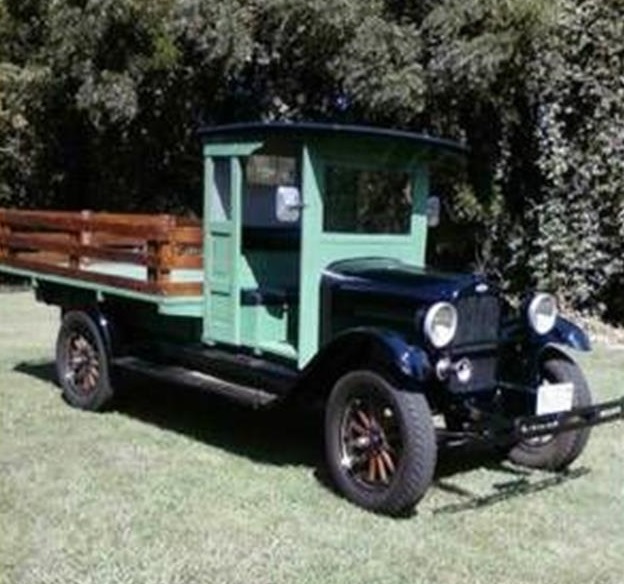
    In 1918, Chevrolet introduced the Model 490 Light Delivery Chassis, and this was the foundation for their first “pickup truck”. It was called the 1918 one-ton. The second truck was a one-ton 1918 Chevrolet Model T “Ton Truck” shared with GMC. It had a payload capacity rating of one ton and sold for $1245 retail. They gave consumers a cheap and modular platform to build on. Its steering wheel, gear shift lever, instrument panel, and gauge cluster were also lifted from the passenger car. They were sold as a chassis cowl or with an express body with or without an eight-post curtain top. A chassis cowl included a chassis with an engine, 3-speed transmission, hood, front fenders, headlights, and grille. Both 1918 trucks were offered with the Overhead Valve 171-cubic-inch (2.8 L) four-cylinder, known as the OHV, producing twenty-four hp (18 kW) up to 26 hp. By 1921 it had a speedometer, an ammeter, dome lights, and headlight dimmers.

    The Chevrolet Superior

    The third truck was the Chevrolet Superior truck version. Launched in 1923, The Chevrolet Superior had the same engine as the series 490. The commercial chassis was priced at 425$, while the Express truck was priced at 525$. They also came with Duco lacquer paint which was the first quick-drying multi-color line of nitrocellulose lacquers.

    The Chevrolet Series AA

     The fourth truck in the series was the series AA trucks, launched in 1927. The AA series was intended to supplement the model 490 series. The truck had the same engine. This was the first time an accelerator pedal was used in a Chevrolet. It also had a gas gauge installed in the dashboard and a centrally installed rearview mirror.

    The Chevrolet Series AB

    The fifth truck was a Series AB truck, introduced in 1928. It also had an OHV engine, but this time the output was increased up to thirty-five hp (26 KW). Four-wheel braking was now also introduced.

    The Chevrolet Series AC

    The sixth truck was the Chevrolet Series AC International Light Delivery, introduced in 1929. This had a new forty-six hp inline six 3.2 L overhead valve engine, nicknamed the Stove bolt six. This had steel disc wheels instead of wooden disc wheels. Standard items included a banjo-style rear axle and a single plate dry disc clutch. Options offered were bumpers, a cigar lighter, and a hood ornament. By then, the trucks had gained the pickup truck-like look, unlike the chassis cab look of before, all these trucks had come with the same 3-speed manual gearbox mated to the rear wheels and the engine.

    Typical Applications of Pickup Trucks in the Early Days

     Typical applications of these trucks varied from farming to even use as water tankers, or for freight carrying jobs.

    Greg McKinney Mineola TX

  • The History Of Chevrolet Pickups

    October 4th, 2022

    Chevrolet pickups marked 100 years in 2018, and over 85 million trucks have been produced in the past century. Let’s take a look at some classic Chevrolet pickups to see their evolution over the years.

    The Beginning of Chevrolet Pickup History

    Superior Trucks: 1918-1929

    Chevy released its first truck in 1918, the Chevy Model 490, and was inspired by vehicles used in plants to move parts and pieces across the facilities. The 1918 Series 490 was super primitive and was sold as a chassis with just a frame and a basic seat. The engine was a basic 2.8-liter 4-cylinder good for 30 horsepower or less.

    A New Era: 1929-1936

    In 1929 Chevrolet introduced its International Series LD. In 1931, Chevrolet started producing factory-built pickups. The Independence Series had four body styles available: a pickup, panel, sedan delivery, and canopy. In 1936, the first-generation pickups came to an end with the next engine update for Chevrolet trucks.

    Post World War II: 1937-1946

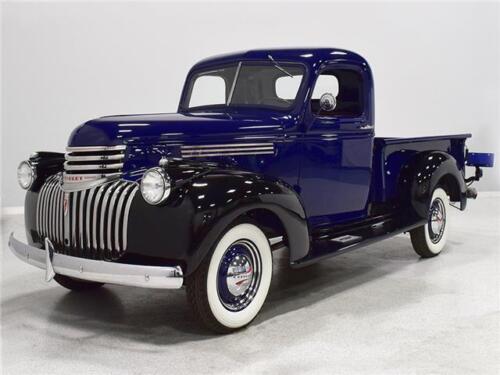
    In 1937, Chevrolet pickups were equipped with a 78-horsepower engine. In 1938 the company introduced the Chevrolet Half-Ton truck featuring a new redesigned vertical grille and front bumper along with swept fenders.

    In 1946, after World War II, Chevy produced a full line of trucks ranging from light duty to heavy duty. However, these trucks were only in production until 1947, when Chevrolet launched a completely redesigned line of pickups known as the “Advance Design” trucks.

    Advance Design Trucks: 1947-1954

    Debuting in 1947, the Advance Design pickups sported a completely new look with a five-bar horizontal grille. Beneath the hood was a 216.5-cubic inch Thrift Master overhead-valve six-cylinder engine capable of producing 90 horsepower.

    In 1954 the trucks featured a brand-new grille, steering wheel, instrument panel, parking lights, and a one-piece windshield. The engine increased to 235.5-cubic inches with 112 horsepower.

    Task Force: 1955-1959

    In 1955, Chevrolet released the new “Task Force” models that included a new small block V8 engine. The Chevrolet 3124 Series Cameo Carrier had a new power steering and power brakes, and a 12-volt electrical system. The small block V8 engine displaced 265 cubic inches and 162 horsepower with a two-barrel carburetor. The small block was enlarged to 283 cubic inches in 1957, with ratings starting at 185 horsepower.

    Evolution Of Modern Trucks    

    Chevy C/K Series 1960-1966 

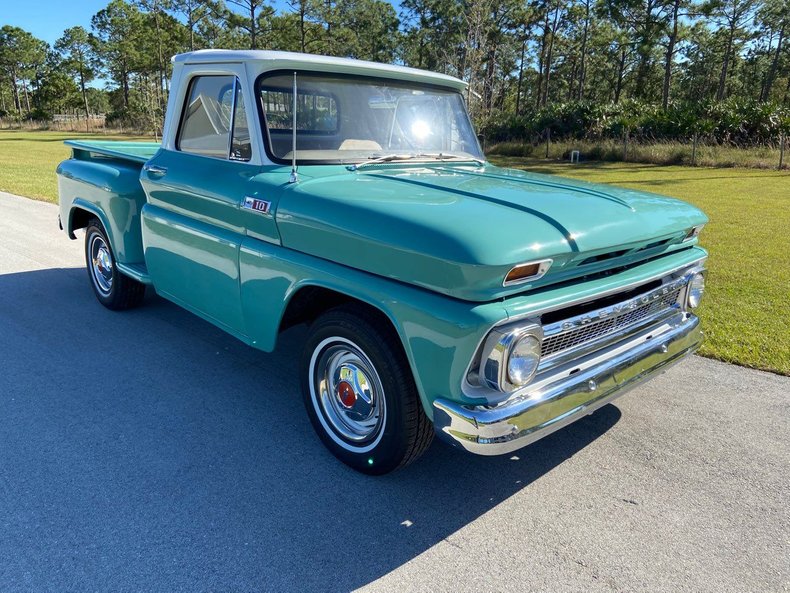
    The 1960 redesign marked the introduction of the C/K designations for Chevrolet. “C” was for 2-wheel drive models and “K” was for 4-wheel drive models. There was a more sophisticated suspension design providing a more car-like ride.

    Chevy C/K Series: 1967-1972 

    The 1967-1972 Chevrolet and GMC trucks were named “Action Line.” Most pickup models in this generation were built with coil spring rear suspension. All the 1967-1972 four-wheel drive trucks had leaf springs on both axles.

    Chevy C/K: 1973-1986 

    For the 1973 Chevrolet and GMC trucks, testing was done in a wind tunnel and designed for better aerodynamics. The wheelbase of these models was extended and a dual rear wheel option was offered on one-ton pickups.

    Chevy C/K Series (GMT400): 1988-1998 

    From 1990-1993, a performance model called 454SS had a 454ci V8, a sport suspension, and quick ratio steering. A turbo-diesel was also made available beginning in 1992.

    In 1995, Vortec V8s debuted with high-flow cylinder heads, roller valve lifters, new camshaft, and higher compression for increased power and efficiency.

    Chevy Silverado (GMT800): 1999-2007

    General Motors dropped the C/K designations for 1999. They chose Silverado for Chevrolet and Sierra for GMC, referring to the new platform as GMT800. Just before the next generation (GMT900) was released for the 2007 model year, GM began selling outgoing GMT800 models under the name “Silverado Classic.”

    Chevy Silverado & GMC Sierra (GMT900): 2007-2018

    GMT900 series pickups are the most popular for businesses with employees that drive more than 100,000+ miles. These pickups are considered the most reliable Silverados and Sierras that GM has ever produced.

    The series has two available V8 engines were equipped with Active Fuel Management (AFM). This is a feature that deactivated four cylinders when the engine wasn’t under load.

    GMC Canyon & Colorado 

    Chevrolet also produced a smaller pickup truck called Colorado also known as the S10 before 2004. The GMC Canyon and Colorado became standalone trucks, with the first generation produced from 2004-2012.

    In 2018, Chevrolet produced a Centennial Special Edition Colorado alongside the Silverado. The celebratory model featured a 3.6L DOHC V6 engine capable of producing 308 horsepower and 275 lb.-ft. of torque.

    From the first Chevy truck in 1918 to the new 2018 Silverado and Colorado Centennial editions, Chevy has come a long way from where it started so many years ago and there is a continued popularity of its older designs.

    Greg McKinney Mineola Texas

Blog at WordPress.com.


Loading Comments...
 

    • Subscribe Subscribed
      • Classic Chevrolet Trucks
      • Already have a WordPress.com account? Log in now.
      • Classic Chevrolet Trucks
      • Subscribe Subscribed
      • Sign up
      • Log in
      • Report this content
      • View site in Reader
      • Manage subscriptions
      • Collapse this bar