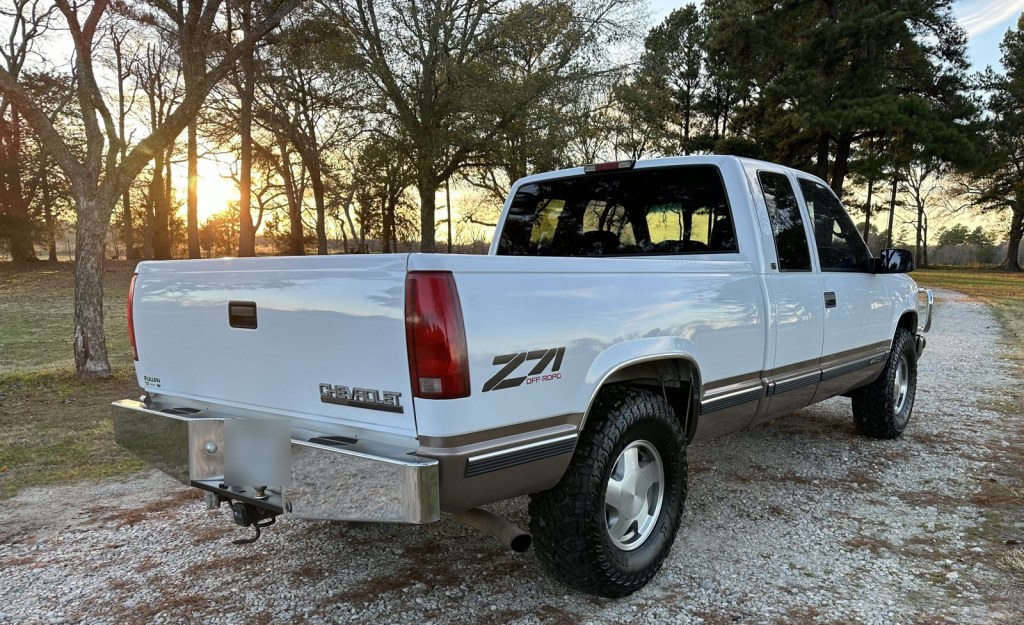
Winter in East Texas is not much like winter up north. Most years we get a handful of hard freezes, a lot of cold rain, and maybe one ice storm that shuts everything down for a day or two. The first frost around Tyler usually shows up in mid November. That mild weather fools a lot of people into thinking an old truck needs nothing special before cold weather. A 25 or 30 year old Chevy will tell you otherwise the first morning it will not crank.
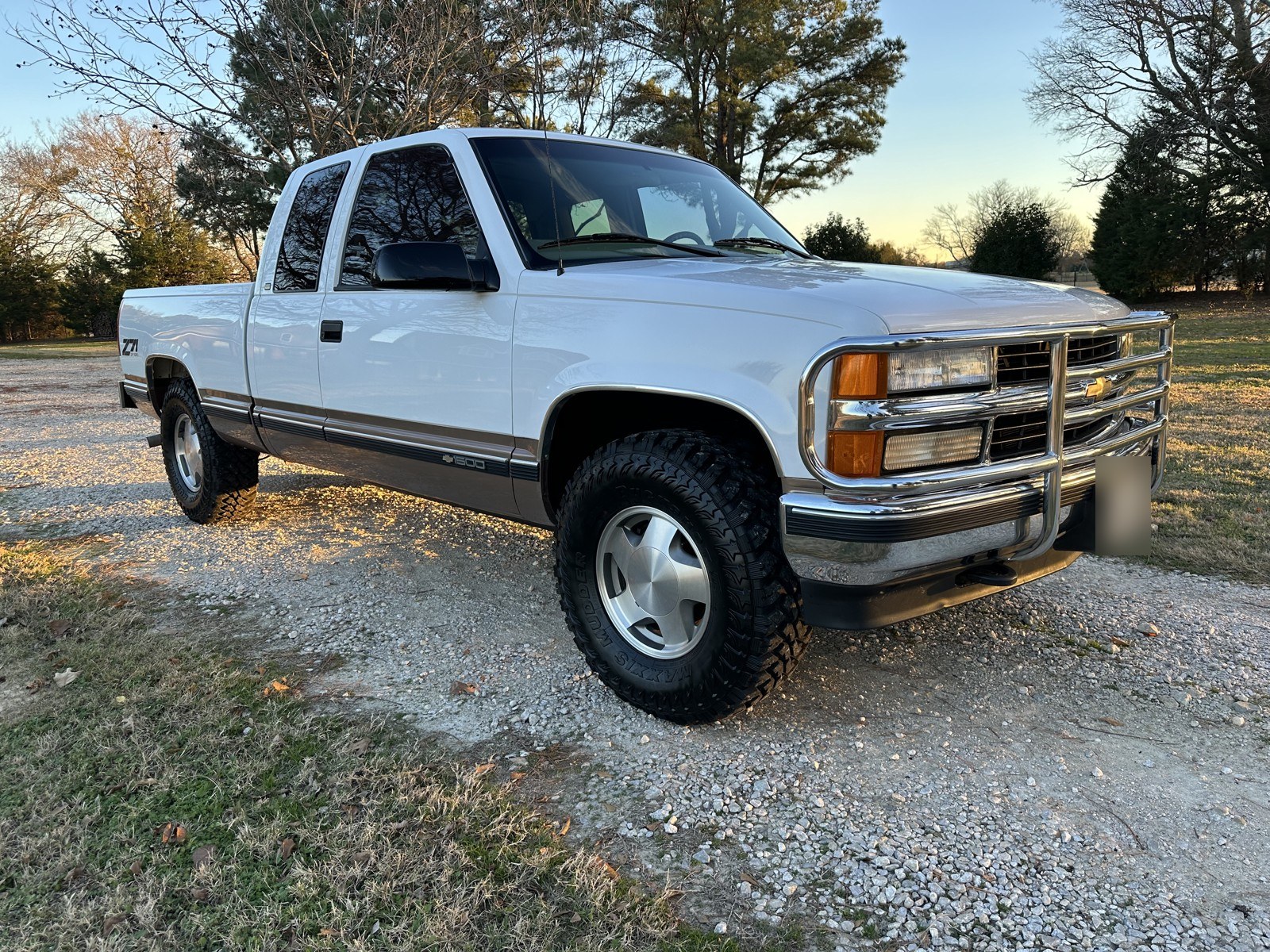
I keep a 1998 Z71 extended cab, and these are the things worth looking at on any older truck before cold weather. None of it is complicated. Most of it you can do in the driveway on a Saturday afternoon.
Start with the battery
Cold weather does not kill batteries so much as it finds the weak ones. A battery that turned the engine over fine in August can give up on a 25 degree morning. If yours is more than four or five years old, have it load tested. Most parts stores will do it for free. While you are there, clean the terminals and check the cables. On these older trucks the side post connections and the ground cables corrode, and a bad ground can look a lot like a dead battery.
Check the coolant, and know which kind you have
Antifreeze is the one thing you really do not want to skip. A cracked block or a split radiator turns a cheap fix into a big one. Get a coolant tester and make sure the mix protects well below anything we will see here.
Pay attention to what is already in the system. GM switched most of its trucks to the orange Dex-Cool coolant starting around the 1996 model year, while older trucks came with the traditional green. After this many years and this many owners, there is no telling what has been added to a given truck. If the coolant looks rusty, sludgy, or like a mix of colors, the best move is a complete flush and refill with one type, rather than topping it off and hoping. Look over the hoses while you are at it. Squeeze them when the engine is cool. A hose that feels hard, cracked, or mushy should be replaced before it fails on a cold morning.
Tires, wipers, and lights
Tire pressure drops when the temperature drops, so check it on the first cold morning and fill them back up. Look at the tread too. Our winter problem is not snow, it is wet roads and the occasional ice on bridges and overpasses, and worn tires do not do well on either.
Wiper blades bake in the Texas sun all summer and are usually shot by fall. They are cheap and take two minutes to change. Fill the washer fluid, and walk around the truck with the lights on to make sure everything works. On older trucks a lot of those little bulbs and sockets have seen better days.
Heater and defroster
Turn the heat on before you actually need it. If it blows cold, the cause could be as simple as low coolant or a stuck thermostat, or it could be a blend door or a heater core. You would rather find that out on a nice October afternoon than on a morning when the windshield is fogged over and you have somewhere to be.
Fight the rust
We do not salt the roads much here, but humidity and mud do plenty of damage on their own. Old trucks that spend time on dirt roads and in pastures pack mud into every pocket on the frame and in the fender wells, and that mud holds water against the metal for weeks. Before winter, hose off the underside, the wheel wells, and the inside of the bumpers. Pay extra attention to the cab corners and rocker panels, which are common rust spots on trucks this age. If you can, park it under a cover or in a barn when the cold rain sets in.
If the truck is going to sit
A lot of these trucks are weekend drivers now. If yours is going to sit for a while, a few things help:
- Fill the gas tank so there is less room for moisture, and add a fuel stabilizer if it will sit more than a month or two.
- Put the battery on a maintainer, or at least disconnect it.
- Change the oil before storage, not after. Old oil carries acids and moisture you do not want sitting in the engine all winter.
- Keep mice out. Mouse traps or deterrents in the cab and around the engine bay can save you from chewed wiring in the spring.
- Start it and drive it every few weeks if you can, long enough to get it fully warm.
The nice thing about these trucks is that they are simple. A few hours of looking things over in the fall is usually all it takes to keep an old Chevy starting on cold mornings and running for years to come.
Greg McKinney, Mineola, Texas

